- Kota Damansara, Puchong, Cheras & Setia Alam
- 010-8286700
- hello@luna.clinic

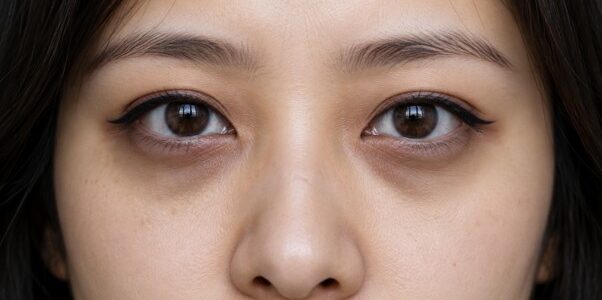
Dark eye circles are one of the most common aesthetic concerns. They can make the eyes look tired, dull or aged, even when you have had enough rest.
However, dark circles are not always caused by the same problem. They may result from pigmentation, thin skin, visible blood vessels, hollowness, eye bags, shadowing or a combination of several factors.
This is why one treatment does not work for everyone. The most suitable dark eye circle treatment depends on identifying the actual cause first.
Dark eye circles can appear for different reasons. Some are related to skin colour, while others are caused by volume loss, blood vessels, thin skin or shadows under the eyes.
For patients who want a professional assessment, dark eye circle treatment may help identify the most suitable treatment direction based on the actual cause.
Some people naturally have more pigment around the eyes, while others develop pigmentation due to sun exposure, genetics, eczema or frequent eye rubbing.
Pigmented dark circles usually appear brownish in colour. They may also become more noticeable if the under-eye area is frequently rubbed or irritated.
For pigmentation-related concerns, melasma and pigmentation treatment may be relevant, especially if the dark circles are linked to brown discolouration or uneven skin tone.
The skin around the eyes is naturally thin. As collagen decreases with age, underlying blood vessels may become more visible, creating a bluish or purplish appearance under the eyes.
This type of dark circle is not mainly caused by brown pigmentation. Instead, it is often related to thin skin, visible vessels and reduced collagen support.
For patients with fine lines, thin skin or early ageing around the eye area, fine lines and wrinkle treatment may help determine whether skin boosters, regenerative injectables or other treatments are more suitable.
Loss of volume beneath the eyes can create a depression known as the tear trough.
This hollow area casts a shadow, making the under-eye region appear darker even when there is little actual pigmentation. In this case, treating pigmentation alone may not significantly improve the concern.
For patients with under-eye hollowness or sunken appearance, volume loss and sunken appearance treatments may help determine whether fillers, collagen-stimulating treatments or other options are suitable.
Prominent eye bags can also create shadows beneath the eyes, especially under overhead lighting.
In these cases, the under-eye area may look darker because of shadowing rather than true skin pigmentation. Treating the colour alone may not fully improve the appearance.
Depending on the severity, treatment may involve skin tightening, volume correction or surgical assessment for more significant eye bags.
Lack of sleep, dehydration, allergies, smoking and frequent eye rubbing may make dark circles appear more noticeable.
However, lifestyle factors are often not the only cause. Many patients still have underlying pigmentation, thin skin, hollowness, visible vessels or eye bag-related shadowing.
The best treatment depends on which type of dark eye circle you have.
A doctor’s assessment is important because different causes require different treatment directions. Someone with pigmentation may need a completely different approach from someone whose dark circles are caused mainly by hollowness or eye bags.
Brown dark circles are usually caused by excess melanin, genetics, sun exposure or repeated rubbing of the eyes.
Treatment may include:
For patients with pigment-related dark circles, Pico Laser treatment may be considered depending on the type and depth of pigmentation.
For patients comparing pigmentation and redness-focused lasers, Pico Ultimate Laser vs Pro Yellow Laser may also be a useful related guide.
Bluish or purplish dark circles are often caused by thin under-eye skin and visible blood vessels.
Treatment may focus on improving skin quality, collagen support and skin thickness. Options may include:
For under-eye skin quality and brightness, Electri Skin Restoration may be suitable depending on the skin condition.
For regenerative under-eye treatment options, Rejuran-I treatment and Plinest treatment may also be discussed during consultation.
If the darkness is caused by tear trough depression, the main problem is shadowing rather than pigmentation.
Carefully placed hyaluronic acid filler or collagen-stimulating treatment may help restore volume and soften the hollow, making the under-eye area appear brighter and less tired-looking.
For patients considering volume correction, dermal fillers may be suitable depending on skin thickness, facial structure and treatment goals.
Prominent eye bags can cast a shadow underneath the eyes, making the area look darker.
Depending on the severity, treatment may involve skin tightening, volume correction or surgical assessment. If eye bags are significant, non-surgical treatments may only provide limited improvement.
For patients who are unsure whether their dark circles are caused by eye bags, hollowness or pigmentation, a proper assessment is important before choosing treatment.
Many people have a combination of pigmentation, thin skin, hollowness and eye bags.
In these cases, the best results often come from combining different treatments rather than relying on just one.
A personalised treatment plan may include:
For patients exploring non-surgical options, non-surgical dark circle treatment may be a helpful related article.
There is no single “best” treatment for dark eye circles.
The key is identifying whether the darkness comes mainly from colour, skin quality, visible blood vessels, volume loss or shadowing before choosing a treatment.
| Type of Dark Circle | Common Appearance | Possible Treatment Direction |
|---|---|---|
| Pigmented dark circles | Brownish discolouration | Brightening skincare, sunscreen, chemical peels or Pico Laser |
| Thin skin or visible vessels | Bluish or purplish tone | Skin boosters, polynucleotides or collagen-stimulating treatments |
| Tear trough hollowness | Shadow under the eyes | Carefully placed HA filler or collagen-stimulating treatment |
| Eye bag-related shadowing | Darkness caused by under-eye bulge or shadow | Skin tightening, volume correction or surgical assessment depending on severity |
| Mixed dark circles | Combination of colour, hollowing, thin skin and shadow | Combination treatment based on the main causes |
Dark circles are often multifactorial, meaning more than one factor may be involved. In many patients, a combination treatment may give the most natural result.
During consultation, the doctor can assess:
This allows treatment to be customised to the actual cause rather than treating every dark circle the same way.
Dark eye circles are not always caused by lack of sleep. They may be related to pigmentation, thin skin, visible blood vessels, hollowness, eye bags, shadowing or a combination of factors.
Because the causes are different, the treatment should also be different. Brown dark circles may need pigmentation-focused treatment, bluish circles may need skin quality support, and hollow dark circles may need volume correction or collagen-stimulating treatment.
The most important step is identifying the root cause before choosing the treatment.
Not sure what type of dark eye circle you have?
At Luna Clinic, our doctor will assess your under-eye skin, pigmentation, hollowness, eye bags and treatment goals before recommending a personalised plan. Whether your concern is brown pigmentation, bluish discolouration, thin skin, tear trough hollowness or shadowing, we can guide you towards the most suitable treatment direction.
Book your consultation with Luna Clinic today and take the next step towards brighter, fresher and more rested-looking eyes.
