- Kota Damansara, Puchong, Cheras & Setia Alam
- 010-8286700
- hello@luna.clinic

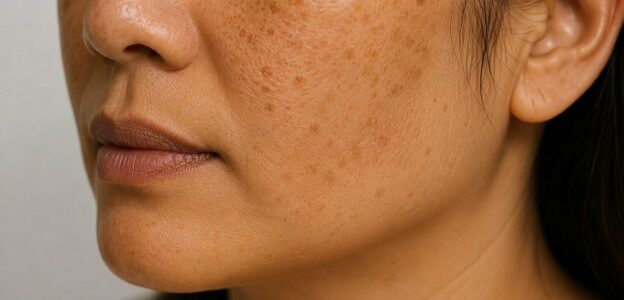
Post-inflammatory hyperpigmentation, also known as PIH, is a common type of pigmentation that develops after skin inflammation or injury.
It happens when inflammation stimulates melanocytes, the pigment-producing cells in the skin, to produce more melanin. This can leave brown or dark marks after the skin has healed.
PIH is especially common in medium to darker skin tones, including many Asian skin types. It is often seen after acne, eczema, insect bites, burns, cuts or skin irritation.
Although PIH can improve over time, it usually fades over months rather than days. The right approach is to treat the cause, protect the skin, target the pigmentation and support skin recovery.
Post-inflammatory hyperpigmentation is pigmentation that appears after the skin has experienced inflammation, irritation or injury.
For example, after an acne breakout heals, the bump may disappear but leave a brown or dark mark behind. This mark is not active acne anymore. It is pigmentation caused by the skin’s response to inflammation.
For patients dealing with brown marks, uneven tone or pigmentation concerns, melasma and pigmentation treatment may help determine the type of pigmentation and the most suitable treatment approach.
PIH can develop after many types of skin inflammation or injury.
Common triggers include:
Acne-related PIH is especially common because inflammation from pimples can stimulate pigment production. Picking or squeezing pimples can make the inflammation worse and increase the chance of dark marks.
For patients with active acne and acne marks, acne treatment may be important to reduce new breakouts and prevent new PIH from forming.
PIH appears brown or dark because the skin produces extra melanin after inflammation.
The colour and depth of the mark can vary depending on skin tone, severity of inflammation, depth of pigmentation and how the skin heals.
In some patients, PIH appears as light brown spots. In others, the marks may look darker and take longer to fade, especially if the pigmentation is deeper or if the skin is repeatedly exposed to sun without protection.
PIH is often mistaken for acne scarring, but they are not the same.
PIH refers to colour changes after inflammation. The skin surface may still feel flat, but the area appears brown or dark.
Acne scars usually involve a change in skin texture, such as depressed scars, uneven skin surface or raised scars.
For patients with both dark acne marks and uneven texture, open pore and acne scar treatment may help determine whether pigmentation treatment, scar treatment or a combination approach is needed.
PIH treatment should focus on four main steps:
This approach is important because treating pigmentation alone may not be enough if new inflammation keeps happening.
The first step is to control the source of inflammation.
For example, if PIH is caused by active acne, treating acne is important to prevent new dark marks from developing. If eczema or dermatitis is causing irritation, the skin barrier should be stabilised before stronger pigmentation treatments are considered.
For patients with dry, irritated or reactive skin, dry and sensitive skin treatment may help identify whether skin barrier repair is needed before starting pigmentation-focused treatment.
Daily sunscreen is essential for PIH management.
Broad-spectrum SPF 30+ sunscreen helps protect the skin from UV exposure, which can darken pigmentation and slow improvement.
Tinted sunscreens containing iron oxides may provide additional protection against visible light, which can also contribute to pigmentation in some patients.
Without consistent sun protection, PIH may take longer to fade and may become more noticeable over time.
Depending on your skin condition, your doctor may recommend targeted ingredients to help reduce pigmentation and support skin renewal.
Common options may include:
These ingredients should be selected carefully based on skin type and sensitivity. Overusing strong actives may irritate the skin and worsen pigmentation in some patients.
Superficial chemical peels, such as glycolic acid and salicylic acid peels, may help improve superficial pigmentation and promote skin renewal.
Chemical peels may be suitable for selected patients with PIH, acne marks or uneven skin tone. However, peel strength and frequency should be personalised, especially for medium to darker skin tones that may be more prone to pigmentation after irritation.
For patients considering peel-based skin renewal, chemical peeling treatment may be discussed during consultation.
Selected laser and light-based treatments may help target excess pigmentation and improve overall skin tone.
The treatment should be tailored to the individual’s skin type, pigmentation depth and sensitivity level. More aggressive treatment is not always better, especially for PIH-prone skin.
For patients with pigmentation or dark acne marks, Pico Laser treatment may be suitable depending on the type and depth of pigmentation.
For patients comparing different laser options, Pico Ultimate Laser vs Pro Yellow Laser may also be a useful related guide.
Skin boosters, including hyaluronic acid-based injectables and polynucleotides, may support skin hydration, regeneration, recovery and overall skin quality.
They do not replace pigmentation treatment, but they may complement a PIH treatment plan by supporting healthier skin recovery and a brighter, more even-looking complexion.
For patients interested in regenerative skin quality support, Plinest treatment or PDRN treatment may be discussed after a doctor’s assessment.
PIH usually improves over months rather than days. Deeper pigmentation may take longer.
How quickly PIH fades depends on several factors, including:
Consistency is important. A good treatment plan should focus on preventing new pigmentation while gradually improving existing marks.
PIH cannot always be fully prevented, but the risk can be reduced.
Helpful steps include:
The most important point is to reduce repeated inflammation. If the skin keeps becoming irritated, new PIH may continue to appear.
You may consider a professional assessment if:
A proper assessment helps identify the type of pigmentation and whether the skin is ready for active treatment.
PIH may look simple, but the best treatment depends on the cause, depth, skin type and whether inflammation is still active.
During consultation, the doctor can assess:
This helps ensure the treatment plan is personalised, safe and suitable for your skin.
Post-inflammatory hyperpigmentation is a common pigmentation concern that can develop after acne, eczema, insect bites, skin irritation or injury.
The best approach is to treat the cause, protect the skin, target the pigmentation and support skin recovery.
With the right plan, patience and consistency, PIH can improve significantly over time.
Concerned about persistent brown marks, acne pigmentation or uneven skin tone?
At Luna Clinic, our doctor will assess your pigmentation, acne activity, skin sensitivity and treatment goals before recommending a personalised treatment plan. Whether your concern is post-inflammatory hyperpigmentation, acne marks, melasma, uneven tone or skin recovery, we can guide you towards the most suitable treatment direction.
Book your consultation with Luna Clinic today and take the next step towards clearer, healthier and more even-looking skin.
