- Kota Damansara, Puchong, Cheras & Setia Alam
- 010-8286700
- hello@luna.clinic

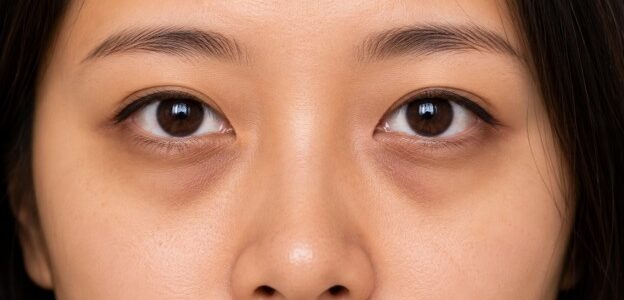
Dark circles are one of the most common aesthetic concerns. They can make the eyes look tired, aged or less refreshed, even when you are well-rested.
However, not all dark circles are the same. Some are caused by pigmentation, while others may be related to visible blood vessels, under-eye hollowness, thin skin, ageing changes or a combination of several factors.
This is why the most effective dark circle treatment depends on identifying the underlying cause first.
Dark circles can appear for different reasons. Understanding the type of dark circle you have can help determine whether skincare, laser treatment, skin boosters, biostimulators, fillers or combination treatment may be more suitable.
For patients who want a professional assessment, dark eye circle treatment may help identify the most suitable treatment direction based on the actual cause.
Pigmented dark circles usually appear brown or grey in colour. They are caused by excess pigmentation around the eyes.
Common contributing factors may include:
For pigmentation-related concerns, melasma and pigmentation treatment may be relevant, especially if the dark circles are linked to brown pigmentation or uneven skin tone.
Vascular dark circles often appear bluish, purple or reddish. They happen when blood vessels beneath the thin under-eye skin become more visible.
Contributing factors may include:
For redness-related or vascular skin concerns, Pro Yellow Laser treatment may be considered depending on the skin condition and doctor’s assessment.
As we age, the face naturally loses fat, collagen and structural support. Volume loss around the tear trough area can create shadows under the eyes, making the area appear darker even when the skin itself is not deeply pigmented.
This type of dark circle is usually caused by shadowing rather than skin colour alone.
For patients with under-eye hollowness or a tired-looking appearance, volume loss and sunken appearance treatments may help determine whether fillers, biostimulators or other options are suitable.
Loose skin, reduced collagen and under-eye bags can also cast shadows beneath the eyes. This may make dark circles look more obvious, especially when combined with thin skin or facial volume loss.
Ageing-related under-eye concerns may involve:
For patients with early ageing changes or fine lines around the eye area, fine lines and wrinkle treatment may help identify whether skin boosters, lasers, injectables or combination treatments are more suitable.
Dark circle treatment should be selected based on the cause. A treatment that works for pigmented dark circles may not be suitable for hollow dark circles, and a treatment for vascular redness may not fully correct volume loss.
Below are common treatment options that may be considered after a doctor’s assessment.
Mild pigmentation or tired-looking under-eyes may benefit from suitable skincare ingredients.
Common ingredients include:
Skincare may help improve the appearance of mild dark circles, but results are often limited for moderate to severe cases, especially when the cause is hollowness, blood vessels or structural shadowing.
Laser treatments may be useful for pigmentation and selected vascular causes of dark circles.
Depending on the underlying condition, treatments such as Pico Laser treatment or Pro Yellow Laser may help reduce pigmentation, improve skin quality and minimise visible redness or blood vessels beneath the skin.
Pico Laser is usually more relevant when the concern is brown pigmentation, sun damage, melasma-like pigmentation or post-inflammatory pigmentation.
Pro Yellow Laser may be more suitable when the concern is redness, vascular visibility or inflammation-related discolouration.
For patients comparing both laser types, Pico Ultimate Laser vs Pro Yellow Laser may be a useful related guide.
Skin boosters may be beneficial for patients with thin, dehydrated or crepey under-eye skin.
Treatments such as Plinest Fast and Electri may help improve skin quality, hydration and the overall under-eye appearance, depending on suitability.
Skin boosters may help support:
For patients interested in polynucleotide-based skin repair, Plinest treatment may be discussed during consultation.
For under-eye rejuvenation, Electri Skin Restoration may also be suitable depending on the skin condition and doctor’s recommendation.
Plinest Fast contains polynucleotides, also known as PN, which support skin repair, collagen production and tissue regeneration.
It may be useful for patients with thin, fragile or crepey under-eye skin, especially when the goal is to improve skin quality gradually rather than add obvious volume.
For patients comparing regenerative PN treatments, Rejuran vs Plinest may help explain how different regenerative skin boosters support different skin goals.
Electri contains succinic acid and hyaluronic acid. These ingredients may help improve skin hydration, support cellular metabolism and brighten the under-eye area.
It may be particularly beneficial for patients with dull-looking skin and mild pigmentation around the eyes.
For patients whose under-eye concern is linked to dullness, dehydration and mild skin ageing, Electri may be considered as part of a personalised eye rejuvenation plan.
For patients with under-eye hollowness, thinning skin or early signs of ageing, biostimulators may be considered.
Unlike traditional fillers that provide immediate volume, biostimulators work by stimulating the body’s natural collagen production. This gradually improves skin quality, elasticity and firmness over time.
Treatments such as Deusaderm may help:
Results usually develop gradually over several weeks as new collagen forms, making biostimulators a suitable option for patients seeking subtle and longer-term improvement.
For hollow or sunken eyes, tear trough fillers may help restore lost volume and reduce shadowing beneath the eyes.
When performed appropriately, fillers can create a brighter, more rested and more youthful-looking appearance by addressing the structural cause of dark circles.
For patients considering volume correction, dermal fillers may be suitable depending on facial structure, skin thickness and treatment goals.
Many patients have more than one cause contributing to their dark circles. For example, pigmentation may exist together with volume loss, thin skin or visible blood vessels.
In these situations, a combination approach may provide a more complete result.
A personalised treatment plan may include:
For patients exploring broader under-eye solutions, non-surgical dark circle treatment may be a useful related article.
The most suitable treatment depends on the cause of your dark circles.
| Type of Dark Circle | Common Appearance | Possible Treatment Direction |
|---|---|---|
| Pigmented dark circles | Brown or grey discolouration | Pigmentation-focused treatments such as Pico Laser, skincare and selected brightening treatments |
| Vascular dark circles | Blue, purple or reddish tone | Vascular-focused treatments, Pro Yellow Laser and skin quality improvement |
| Hollow or sunken eyes | Shadowing under the eyes | Dermal fillers, biostimulators or collagen-supporting treatments |
| Thin or ageing skin | Crepey texture, fine lines or reduced firmness | Plinest Fast, Electri, biostimulators and collagen-stimulating treatments |
Dark circles are not a one-size-fits-all concern. Pigmentation, visible blood vessels, volume loss and ageing can all contribute to their appearance. Many patients also have a combination of these factors.
During consultation, the doctor can assess:
This helps ensure that the treatment plan targets the root cause rather than simply masking the appearance.
Dark circles can be caused by pigmentation, visible blood vessels, volume loss, thin skin, ageing or a combination of these factors.
The right treatment depends on what is actually causing the under-eye darkness. Lasers may help pigmentation or redness. Skin boosters may support thin and dehydrated skin. Biostimulators may improve collagen and skin quality gradually. Fillers may help when the concern is caused by hollowness or shadowing.
A proper assessment is the best way to determine which treatment is most suitable for your dark circles.
Not sure what is causing your dark circles?
At Luna Clinic, our doctor will assess your under-eye area, skin quality, pigmentation, hollowness and treatment goals before recommending a personalised treatment plan. Whether your concern is brown pigmentation, bluish discolouration, under-eye hollowness, thin skin or tired-looking eyes, we can guide you towards the most suitable option.
Book your consultation with Luna Clinic today and take the next step towards brighter, fresher and more rested-looking eyes.
