- Kota Damansara, Puchong, Cheras & Setia Alam
- 010-8286700
- hello@luna.clinic

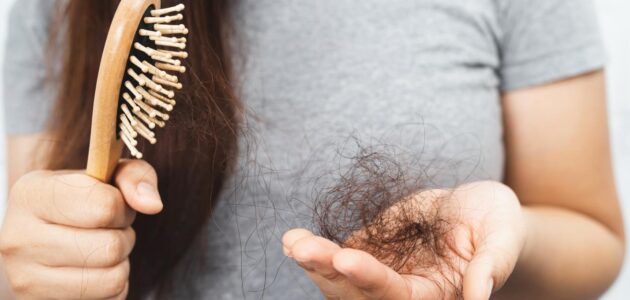
Hair loss refers to excessive hair shedding or a noticeable reduction in hair density on the scalp or other parts of the body. While losing 50–100 hairs daily is part of the normal hair growth cycle, hair loss occurs when shedding exceeds regrowth.
Over time, this imbalance can lead to visible thinning, a widening part line, or bald patches. Hair loss affects both men and women and may be temporary or long-term depending on the underlying cause.
Hair loss presents in different forms. Some types are reversible once the trigger is addressed, while others require long-term management.
1. Androgenetic Alopecia (Pattern Hair Loss)
The most common form, influenced by genetics and hormones.
2. Alopecia Areata
An autoimmune condition where the immune system attacks hair follicles, causing sudden patchy hair loss.
3. Telogen Effluvium
Characterised by increased shedding following stress, illness, childbirth, hormonal changes, or sudden weight loss. Regrowth usually occurs once the trigger is resolved.
4. Anagen Effluvium
Rapid hair loss during the active growth phase, commonly linked to medical treatments such as chemotherapy.
Common Causes of Hair Loss
Hair loss is often multifactorial. Contributing factors include:
Hair loss treatment is most effective when tailored to the individual’s cause and stage of thinning. A combination approach often provides better and more sustainable outcomes.
1. Medication & Supplements
DHT Blockers
Commonly used for androgenetic hair loss to reduce the impact of DHT on hair follicles.
Minoxidil
Helps prolong the growth phase and stimulate dormant follicles. Suitable for both men and women with consistent use.
Vitamins & Mineral Support
Biotin, iron, zinc, and vitamin D help strengthen hair and support follicle health, especially in patients with deficiencies.
2. Injectable Treatments
PRF (Platelet-Rich Fibrin)
Derived from the patient’s own blood, PRF contains growth factors that enhance scalp circulation and support healthier hair growth.
Exosomes
Deliver regenerative signals to reduce inflammation, repair follicles, and improve overall scalp health.
3. Device-Based Treatments
INDIBA
Uses radiofrequency energy to improve blood circulation, reduce inflammation, and enhance nutrient delivery to hair follicles.
Sylfirm X (RF Microneedling)
Stimulates collagen production, improves scalp circulation, and helps reactivate weakened follicles. Often combined with injectables for enhanced results.
Hair loss responds best to early intervention. Identifying the underlying cause allows for targeted treatment before significant thinning occurs.
A personalised treatment plan combining medication, injectable therapies, device-based treatments, and lifestyle optimisation offers the most effective and sustainable results.
Noticing increased hair shedding or thinning?
Book a consultation at Luna Clinic for a personalised scalp assessment and tailored hair restoration plan designed for long-term results.
