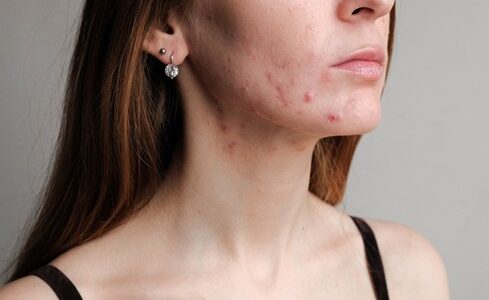
Acne Scar Prevention: What You Can Do While Acne Is Still Active

Acne Scar Prevention

Preventing acne scars should start before acne fully clears, not after scars have already formed. When acne is active, ongoing inflammation, skin trauma, and improper treatments can significantly increase the risk of permanent scarring and pigmentation. The right approach focuses on controlling breakouts, protecting the skin barrier, and avoiding unnecessary irritation.


How Acne Scars Form

Acne scars develop when inflammation damages the deeper layers of the skin. Severe, persistent, or improperly treated acne can disrupt normal healing, leading to post-inflammatory hyperpigmentation (PIH) or permanent textural scars.

Early intervention is key to minimising long-term damage.


Control Active Acne Early

Managing active acne effectively reduces inflammation and lowers the risk of scarring.

Recommended approaches include:

  • Gentle cleansing, preferably with a BHA (salicylic acid) cleanser to reduce comedones
  • Topical treatments such as benzoyl peroxide, azelaic acid, or retinoids (adapalene, tretinoin) to control bacteria and regulate skin turnover
  • Barrier-supporting skincare containing niacinamide or cica to calm irritation
  • Oral medications (e.g. antibiotics or isotretinoin) for moderate to severe acne, prescribed by a doctor
  • IPL (Intense Pulsed Light) using acne-targeted wavelengths to reduce acne-causing bacteria


Avoid Skin Trauma at All Costs

Physical trauma significantly increases the likelihood of scarring.

Key precautions:

  • Avoid picking, squeezing, or popping pimples
  • Do not attempt to drain cystic acne at home
  • For inflamed cysts, intralesional corticosteroid injections can be safely performed by medical professionals
  • Professional medical facials performed with proper technique may help cleanse pores without damaging the skin


Support Skin Healing and Barrier Function

Healthy skin heals better and scars less.

Essential care includes:

  • Daily use of a non-comedogenic moisturiser, even for oily skin
  • Broad-spectrum sunscreen (SPF 30 or higher) every morning to prevent pigmentation
  • Clinic-based chemical exfoliation (e.g. salicylic acid or kojic acid peels) only under professional supervision


Treatments to Avoid While Acne Is Active

Some aesthetic treatments should only be performed after acne is under control.

Avoid the following during active breakouts:

  • Microneedling – may spread bacteria and worsen inflammation
  • Medium to deep chemical peels – increase irritation and PIH risk
  • Ablative lasers (CO, Er:YAG) – higher risk of infection and scarring
  • Aggressive extractions or dermabrasion – cause unnecessary skin trauma


When to Treat Acne Scars

Once acne is well controlled, scar-targeted treatments such as microneedling, lasers, subcision, or biostimulators can be considered safely and effectively.

Concerned about acne scars forming while your acne is still active?
Book a professional consultation at Luna Clinic to create a personalised acne and scar-prevention plan tailored to your skin.